

Summary
The RED III Directive tightens the sustainability criteria for biomass and expands the group of operators subject to reporting. In Finland, plants using solid biomass fuels with a total thermal power of more than 7.5 MW must demonstrate the sustainability of their biomass under the act that entered into force on 4 July 2025. Origin information and greenhouse gas emission reductions must be demonstrated along the entire supply chain, which increases the workload of data collection and reporting. Automated reporting reduces manual work and errors and makes the data easier to verify.
The goal of Finland’s national energy and climate strategy is for the share of renewable energy in final energy consumption to rise to over 50% by 2030. As a result, more attention is being paid to the origin and production of materials used in energy production, as well as the environmental impact of production and transport. This is also demonstrated by the RED III Directive on renewable energy use, which entered into force in November 2023.
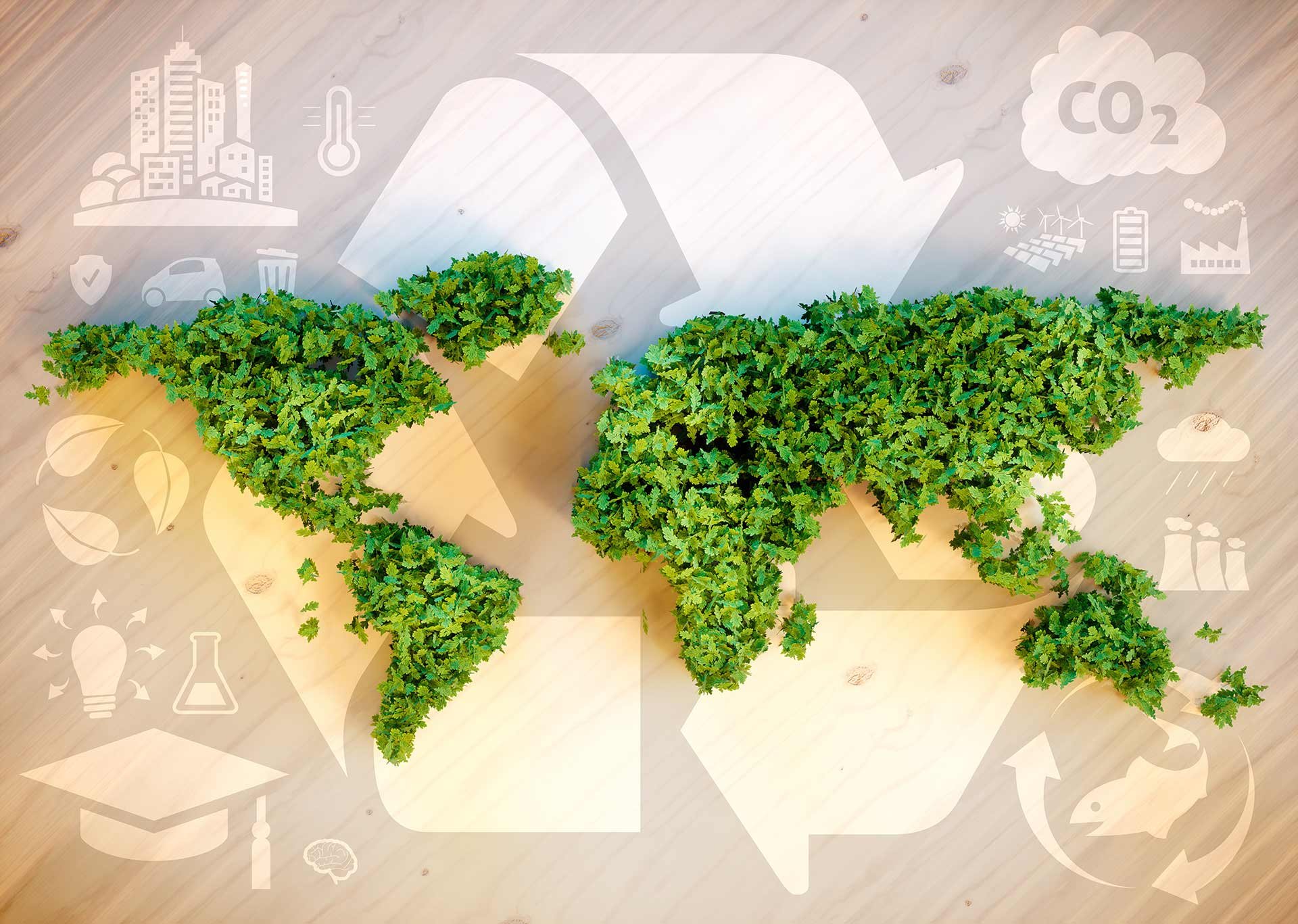
The RED III Directive updates the RED II Directive, which entered into force in 2018, and it brings sustainability criteria requirements to an increasing number of energy operators in the EU. This means that the industry has to report more accurately on the environmental impacts of its activities, which underlines the importance of effective reporting. While reporting in the past was commonly done using Excel, as requirements and controls become more stringent, the easiest and most reliable way is now to automate supply chain reporting with a dedicated system. Effective and reliable information management also increases the credibility of operations.
Collecting data manually is not only challenging, but, in many cases, impossible without additional staff and resources. Especially for larger operators, the amount of data required for sustainability reporting is so large that the work involved in collecting and reporting data needs to be automated. Reporting must also comply strictly with the regulations, so there is no room for error.
The RED III Directive puts new pressure on sustainability reporting
RED III brings several stricter requirements for meeting and demonstrating sustainability criteria in the energy sector. The number of operators subject to reporting obligations increases, as the RED III Directive lowers the threshold for plants using solid biomass fuels from an overall thermal power of 20 MW to 7.5 MW. Plants that started operating before 2021 are also covered. At the same time, compliance with the cascade principle is monitored more closely: forest biomass should be used primarily for industrial purposes, such as products and materials, rather than for energy use.
The directive and national legislation oblige operators to demonstrate the sustainability of the biomass fuels used. One of the main sustainability reporting criteria is the demonstration of fuel origin information, and origin information must be traceable increasingly comprehensively along the entire supply chain. The reduction of greenhouse gas emissions must also be demonstrated for the entire supply chain, covering not only the origin but also processing, cultivation, rearing, and land-use changes.
Reporting greenhouse gas emission reductions from biomass fuels, for example, creates challenges for energy sector operators in collecting data, as all data must be collected in one way or another and entered into the sustainability system maintained by the operator. It is important to consider, among others:
- how to track individual loads or batches of material smoothly and reliably
- how to easily demonstrate and verify emission reductions.
In the daily lives of operators, such as power plants, this can mean an increased workload in data collection, management, reporting, and verification. Operators who have not previously been subject to the requirements face a new reporting challenge as part of their business. If the reference information leading to the origin is incomplete, reporting can cause unnecessary problems, and, in the worst case, lead to sanctions.
Automated reporting with emerging technology
When origin information and emission reductions must be demonstrated along the entire supply chain, manually compiled spreadsheets quickly become cumbersome. A system that meets the needs of sustainability reporting, such as Energy Operations, makes the process of producing reports and verifying the accuracy of the data in the overall process much more straightforward.
As the requirements of RED III and sustainability reporting are constantly evolving and refining, Pinja’s systems are also continuously developed to meet the changing needs of clients. In recent years, Energy Operations has introduced the capability to calculate and verify greenhouse gas reductions throughout the supply chain. In addition, the collection and production of information on the origin of fuels has been facilitated.
In Finland, RED III has already been implemented: the Act on Sustainability Criteria for Certain Fuels entered into force on 4 July 2025. As a result, plants producing electricity, heating or cooling with a total thermal power of more than 7.5 MW must demonstrate the sustainability of the biomass they use, and the requirement also applies to operators outside the emissions trading system. The Energy Authority provides guidance to operators, processes applications and supervises compliance. For many operators, the new requirements mean more work on mandatory reporting, so it is worth improving and automating processes as soon as possible.
Want to know more about RED III and sustainability reporting? Download the guide: RED III directive and sustainability reporting in the energy sector – challenges and solutions
Frequently asked questions
What is RED III?
RED III is an update to the EU Renewable Energy Directive that entered into force in November 2023. It tightens the sustainability criteria for biomass and expands the group of operators that must demonstrate the sustainability of the fuels they use.
Who is subject to sustainability reporting?
In Finland, plants producing electricity, heating or cooling that use solid biomass fuels and have a total thermal power of more than 7.5 MW. Previously, the threshold was 20 MW. The requirement also applies to operators outside the emissions trading system.
What must an operator demonstrate?
Operators must demonstrate the sustainability of the biomass fuels they use, particularly the origin of the fuel and the reduction of greenhouse gas emissions along the entire supply chain.
When did the requirements enter into force in Finland?
RED III was implemented in Finland through the Act on Sustainability Criteria for Certain Fuels, which entered into force on 4 July 2025. Compliance with the requirements is supervised by the Energy Authority.
Read more
Renewable Energy Directive – everything you need to know about RED III
RED III guide – sustainability reporting in the energy sector: challenges and solutions
Energy Operations – fuel logistics and sustainability reporting for energy plants
Bioenergy & Recycling – solutions for the bioenergy and circular economy sectors